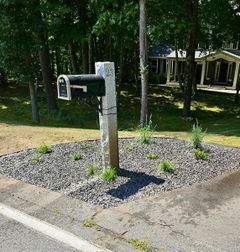
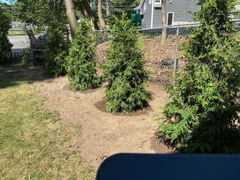
Amazing! I mistakenly did a duplicate order, they credited me right away! Exceptional communication. The installation crew was great. Installed with care and did a perfect job. Very happy with all aspects of my order.
1
/
of
1
White Spruce
White Spruce
$74.25
Shipping calculated at checkout.
Quantity
20 in stock
Picea glauca
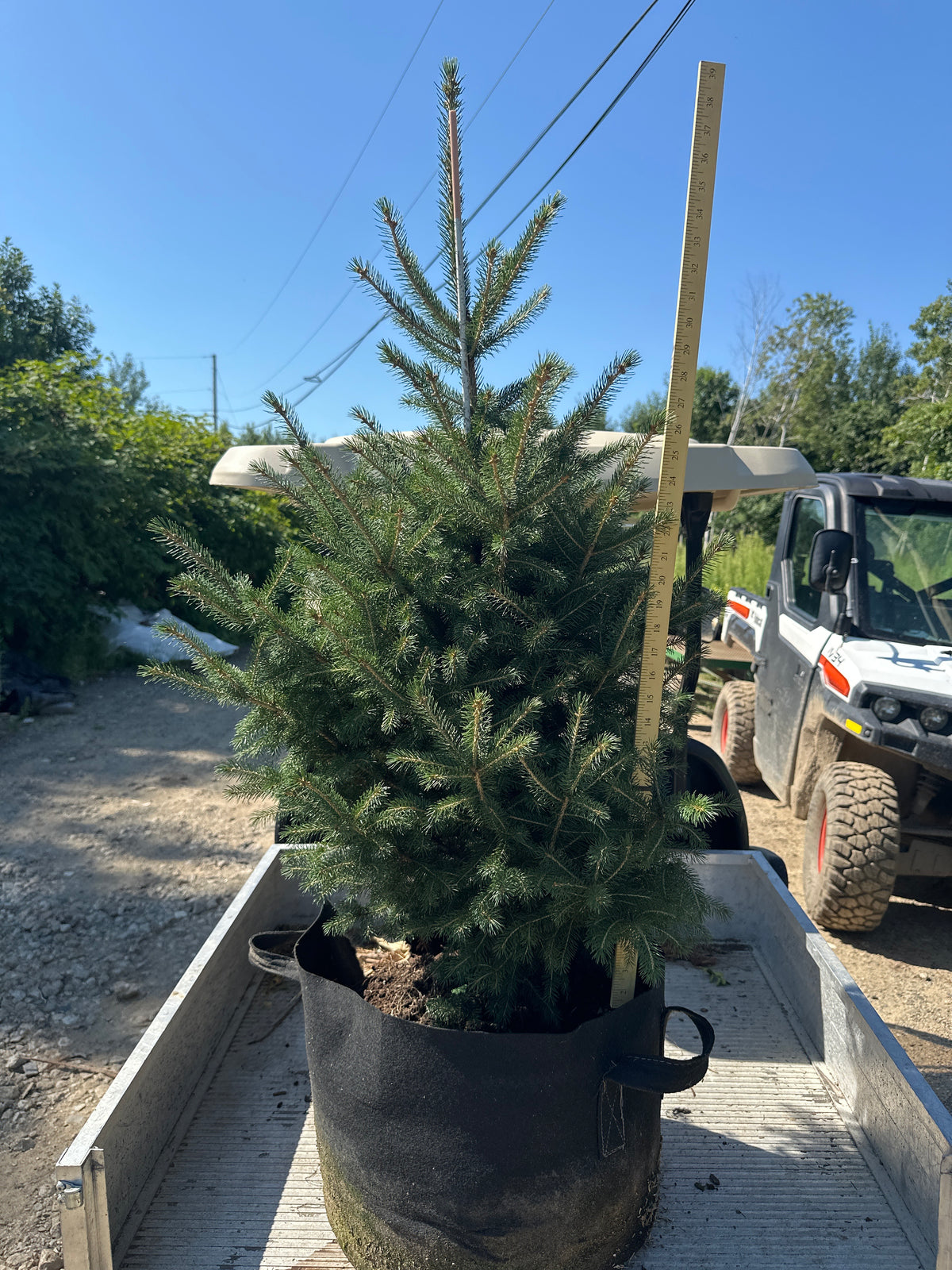
Choose White Spruce if you want a tough, cold-hardy native evergreen for windbreaks and property lines. It is the straight species, seed-grown, so form and color vary from tree to tree. The tradeoff is that it dislikes heat and city conditions — this is a northern New England tree, and it earns its keep on open, cold, exposed ground.
Buy This If
- You want a native evergreen, not an ornamental import.
- The site is cold and open.
- You have room for a full-size spruce.
Skip This If
- You need uniform, matched trees.
- The spot is hot, dry, or heavily salted.
- You are planting close to the house.
PGNE Report Card
| Category | Grade | Why |
|---|---|---|
| Landscape Impact | B | A clean green pyramid. Handsome rather than showy — it does not have the blue spruce's color pull. |
| Growth Rate | B | Moderate and steady. Faster than blue spruce in cold ground. |
| Maintenance | A- | About as low-maintenance as a spruce gets once it is sited right. |
| Deer Resistance | A- | Deer rarely browse spruce, though bucks will rub young trunks. |
| Cold Hardiness | A+ | Hardy to zone 2. Nothing in our lineup handles a cold, wind-scoured site better. |
| Small Space Fit | D+ | 10-20 ft of mature spread. Not a foundation plant. |
| Screening Value | A- | One of the better windbreak evergreens for northern New England. |
| Heat Tolerance | C- | Struggles in hot, dry, reflected-heat spots. Keep it out of parking-lot conditions. |
Our Experience
At PGNE, we'd typically recommend White Spruce for the back of the property and along field edges rather than as a front-yard specimen — it is a workhorse, not a showpiece. It is native here, so it belongs in wildlife and restoration plantings where an imported blue spruce would look out of place. Give it 12-15 ft of spacing in a windbreak row and leave the lower branches on.
Plant Facts
| Botanical Name | Picea glauca |
|---|---|
| Common Name | White Spruce (Canadian Spruce) |
| Mature Height | 40-60 ft |
| Mature Width | 10-20 ft |
| Spacing | 12-15 ft |
| Hardiness Zones | 2a-6b |
| Sun | Full sun to part sun |
| Moisture | Average to moist, well drained |
| Growth Habit | Upright, dense pyramidal |
| Evergreen | Yes |
| Native | Yes (northern New England and across boreal North America) |
Customers Usually Ask
How is this different from Black Hills Spruce?
Black Hills is a regional variety of the same species (Picea glauca var. densata) — denser and slower. This is the straight species: faster, a little looser in form.
Is it really native?
Yes. White spruce is native to northern New England and across the boreal north, which makes it a good fit for wildlife and restoration work.
How far apart for a windbreak?
12-15 ft. Crowding causes the lower branches to thin out on the shaded sides.
Why buy evergreen trees in the fall
- Plant now, screened by next summer
- Large sizes we deliver ourselves, fully rigged
- Roots keep growing into November in New England soil
Locally grown for New England conditions
Every plant in our Fall Sale is grown or hardened off right here in New Hampshire, so it's already acclimated to New England winters before it ever leaves our nursery.
Pro Growers of New England, Inc
SKU:PGNE-12062
Share