Buy more, save moreDiscount applied automatically at checkout
1–5
—
$27.00 ea
6-11
10% off
$24.30 ea
12-23
20% off
$21.60 ea
24+
25% off
$20.25 ea
79 in stock
Comptonia peregrina
Choose Sweet Fern for dry, sandy banks or naturalized native areas where you need tough spreading cover; the tradeoff is that it looks informal and can run, so it is not for tight, polished beds.
Buy This If
You need cover in poor soil.
You want a native shrub.
You like aromatic foliage.
Skip This If
You need a tidy clump.
You want fast growth.
Your soil stays wet.
PGNE Report Card
Category
Grade
Why
Landscape Impact
B
Sweet Fern gives a natural, textured look, but it is more rugged than showy.
Growth Rate
C
It is slow to fill in, so patience matters on larger areas.
Maintenance
A-
Once established in the right site, it asks for very little beyond keeping its spread in bounds.
Deer Resistance
A-
Its aromatic, resinous foliage is not a preferred browse, making it dependable where deer pressure is heavy.
Small Space Fit
C-
Its spreading habit makes it a poor fit where every edge needs to stay crisp.
Screening Value
D
This is groundcover-style shrub massing, not a plant for privacy or screening.
Our Experience
At PGNE, we'd typically recommend Sweet Fern for problem ground, not feature planting. Give it room, avoid rich wet soil, and use it where an informal native colony makes sense. It is one of the few natives that actually prefers the barren, sandy, nutrient-poor soil most plants fail in — it fixes its own nitrogen, so it establishes on banks and cuts where topsoil is thin or gone.
Plant Facts
Botanical Name
Comptonia peregrina
Common Name
Sweet Fern
Mature Height
2-5 ft
Mature Width
4-8 ft
Hardiness Zones
2a-7a
Spacing
4.5-5 ft
Sun
Full Sun to Part Shade
Moisture
Dry to average
Growth Habit
Upright, spreading, suckering shrub
Evergreen
No
Native
Yes (species native to New England/eastern US)
Best Used For
Erosion control on dry sandy banks • Native plantings on poor or disturbed soil • Naturalized edges and road cuts • Nitrogen-fixing pioneer cover
Wetland Indicator Status
Not rated as a wetland plant — this is an upland species of dry, sandy, well-drained ground. Do not use it in wetland or wet-zone buffer work.
Customers Usually Ask
Is Sweet Fern actually a fern?
No, it is a woody native shrub with fern-like foliage.
Can I use it on a wetland or buffer job?
Not in the wet zone — it is an upland plant that wants dry, sandy, well-drained soil. It is excellent on the dry upper bank or a road cut, but it will not tolerate saturated ground.
Will it spread?
Yes, it spreads by underground rhizomes and can form colonies.
Where does it look best?
On dry slopes, sandy edges, and naturalized native areas.
Why buy for fall color
See the actual color before you buy it
Foliage, berries and late bloom — all three seasons of interest
Fall planting means roots established before winter
We use your zone to recommend plants that survive your winters, and to estimate when your
order ships — we ship each plant when the weather where you live is right for it.
Choosing a selection results in a full page refresh.
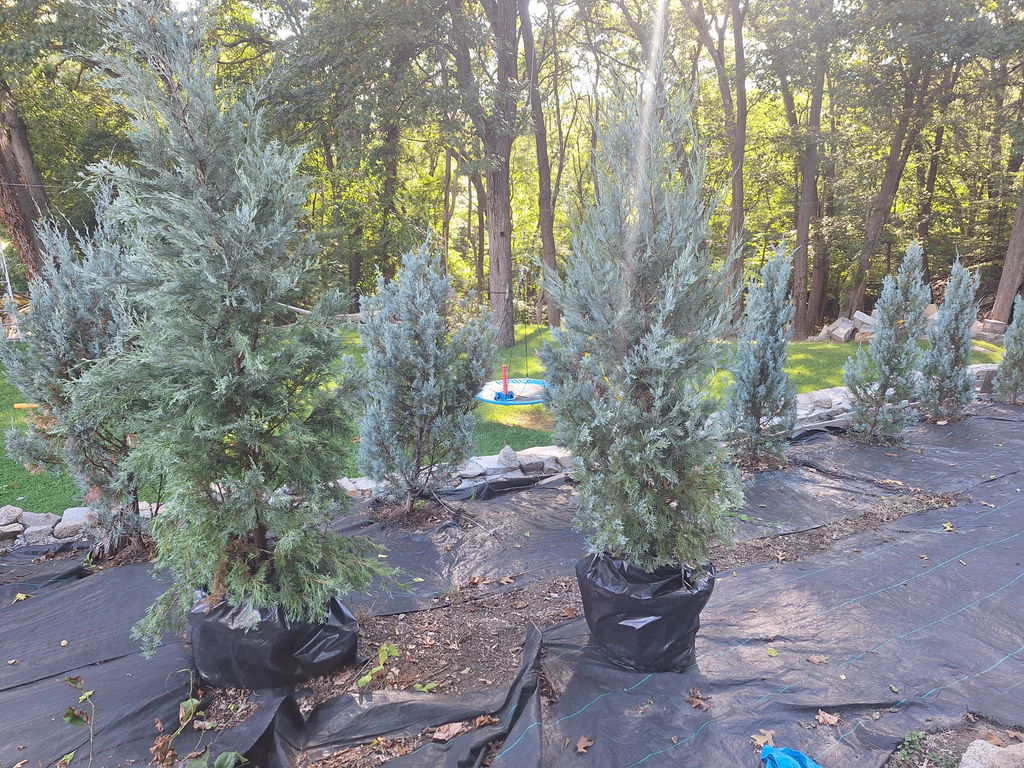
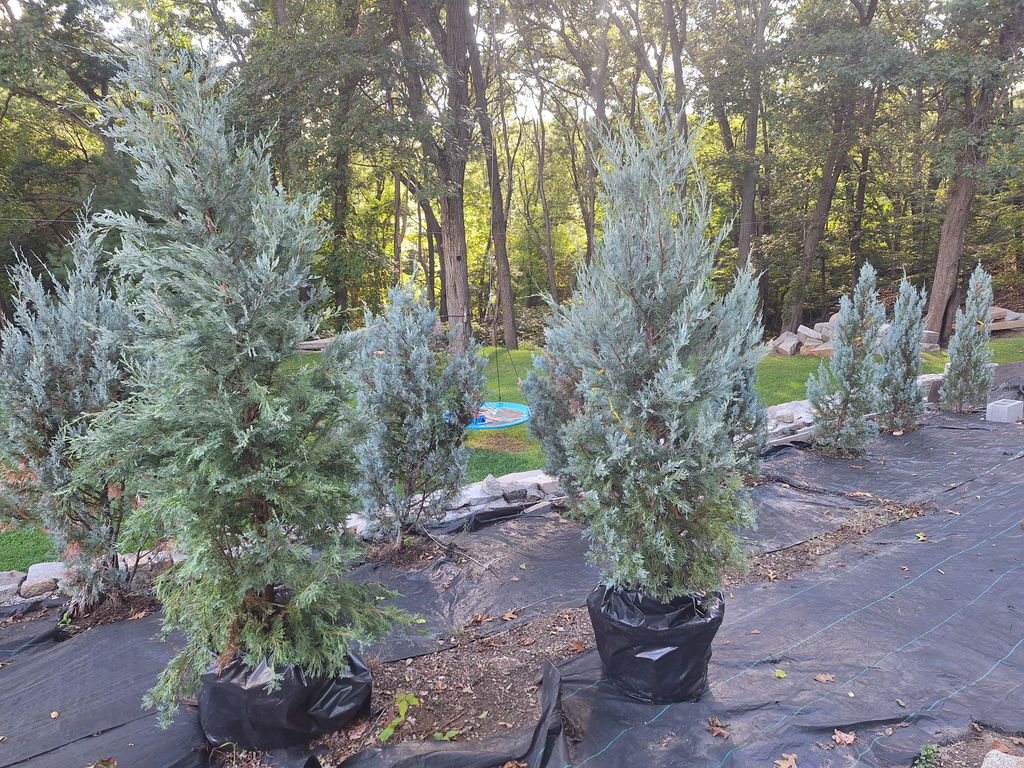
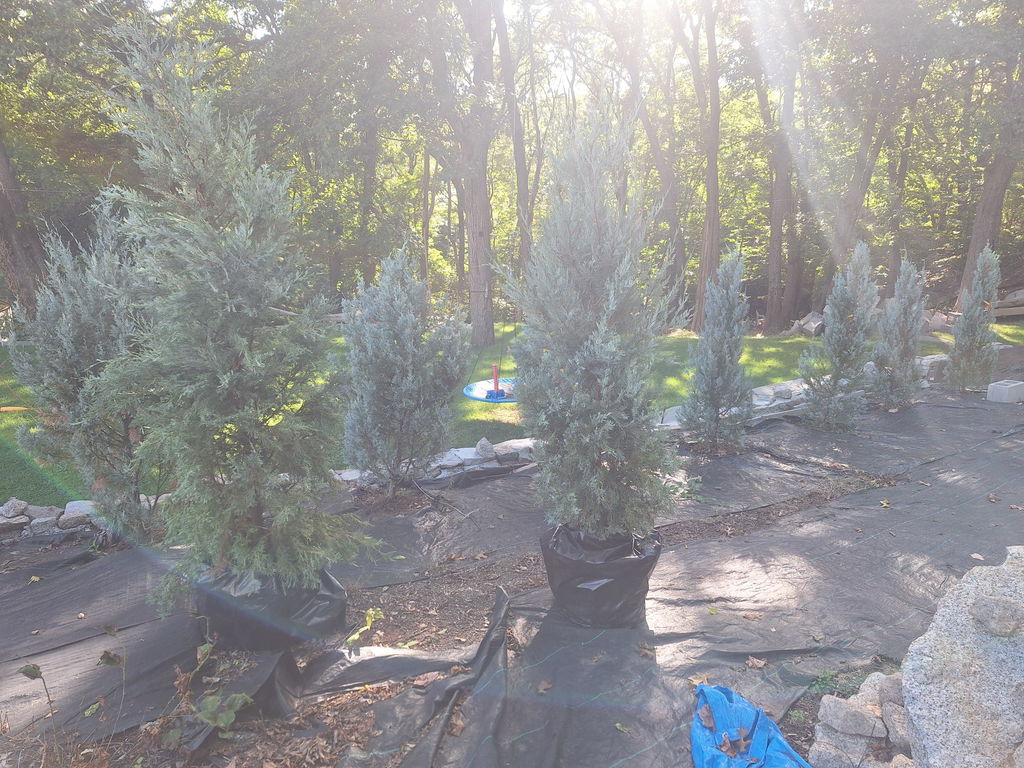
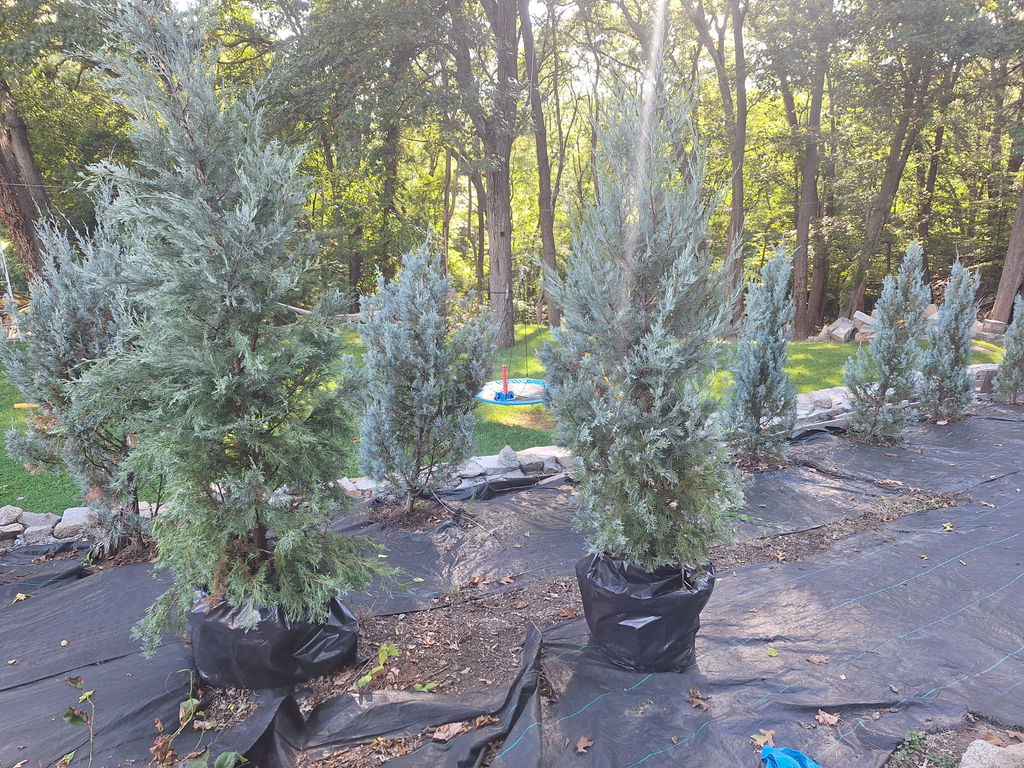
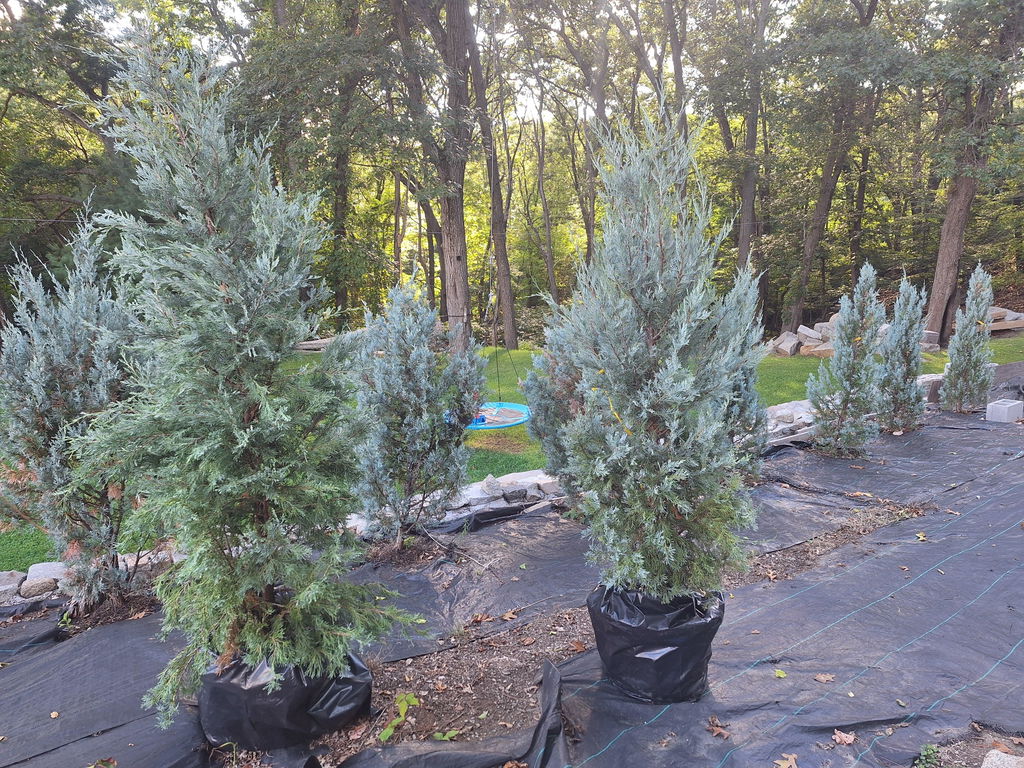
Bought 8-10 ft and all were barely 8 if you count the container. Trees are thin and lots of brown branches and broken branches due you thrown in box truck no wrapping or anything. Hoping they survive and thicken up quick…
I went up there today from Quincy MA to pick up two Blue Wichita Junipers and they were absolutely beautiful. Thank you, Chris and everybody from Pro Growers of New England!
I went up there today from Quincy MA to pick up two Blue Wichita Junipers and they were absolutely beautiful. Thank you, Chris and everybody from Pro Growers of New England!
Wichita Blue Juniper
Aileen Maconi
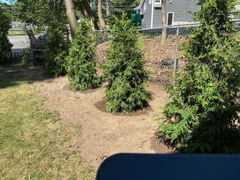
The plants are beautiful and all 13 were consistent in height and width. And at a fraction of the cost of other garden centers. Having the team that delivered them do the planting was one of the best values I can think of. They did a great job from start to finish and even helped me with my watering system which they didn’t have to do!
Emerald Green Arborvitae
Steve Holsberg
Very nice
Guys installed for me as well
Great job
Steeds Japanese Holly
Carrie Peabody
Huge selection and fast delivery. All plants arrived in great condition.
Pro Growers of New England, Inc
Linda Albert
Great prices and Unbelievable selection of big and small trees, shrubs, and flowering perennials! Nicest folks to work with. And local delivery is awesome! First time purchasing from this company, , and have already told friends, neighbors and family. The owner Chris is professional, knowledgeable, and yet laid back in a most friendly way. Mags in the office will help with any details. My all time BEST garden purchase EVER!