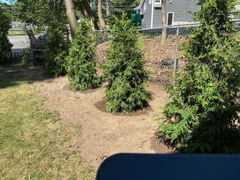
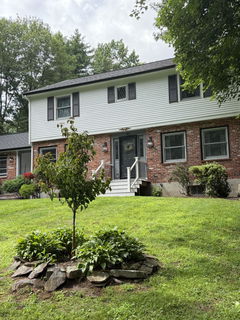
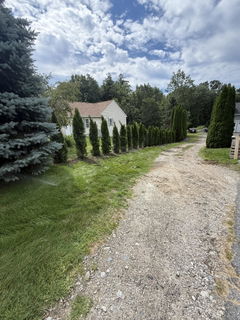
The plants are beautiful and delivery happened so quickly. Will order from them again.
1
/
of
2
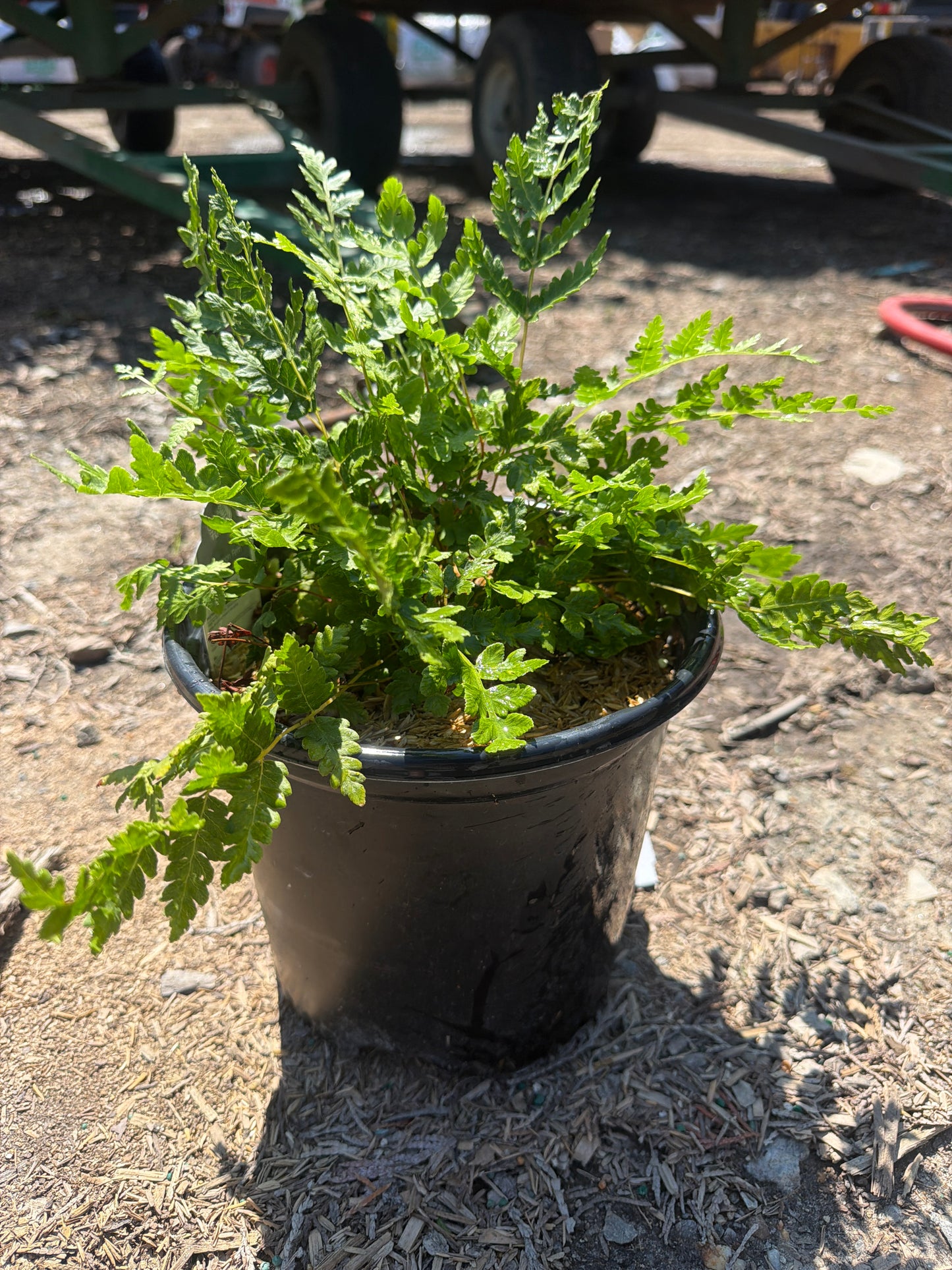
Cinnamon Fern (1 Gallon)
Cinnamon Fern (1 Gallon)
$24.00
Shipping calculated at checkout.
Quantity
21 in stock
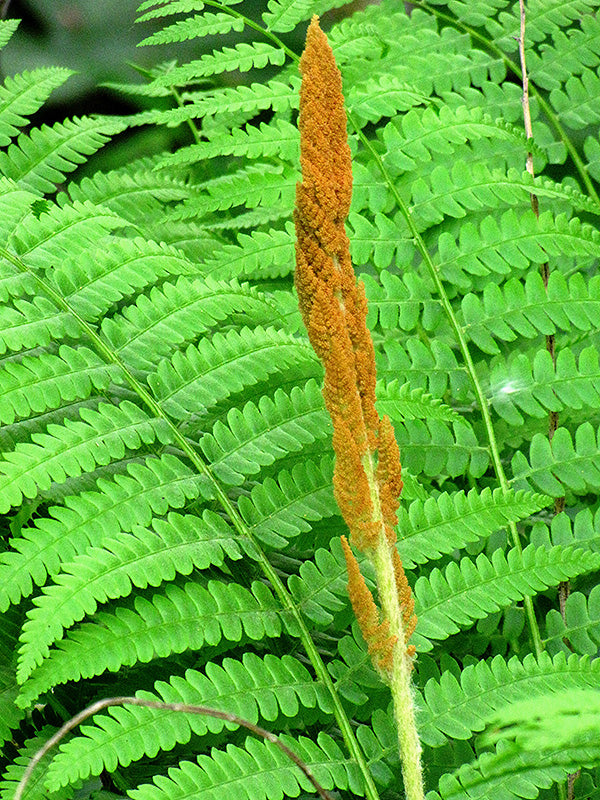
Osmunda cinnamomea
Choose Cinnamon Fern for a shaded, moist spot where you want a big native fern with a natural woodland look; the tradeoff is that it needs room and will not give you neat, formal structure.
Buy This If
- You want a larger native fern.
- Your soil stays evenly damp.
- You like a natural woodland look.
Skip This If
- The site dries out often.
- You need a tidy border plant.
- Space is already tight.
PGNE Report Card
| Category | Grade | Why |
|---|---|---|
| Landscape Impact | B+ | Its upright fronds and cinnamon spring spikes give shaded beds strong texture without looking forced. |
| Growth Rate | B+ | It can fill in at a good pace when planted where the soil stays consistently moist. |
| Maintenance | B | Care is simple, but dry spells and messy old fronds still need attention. |
| Deer Resistance | A- | Deer rarely browse ferns, making this one of the more dependable choices where deer pressure is heavy. |
| Small Space Fit | C | This fern has presence, so it can crowd small beds if planted too close to paths or walls. |
| Screening Value | D | It adds seasonal bulk but should not be counted on for privacy or winter cover. |
Our Experience
At PGNE, we'd typically recommend Cinnamon Fern for the dampest shaded part of the bed, not the dry edge, and we would give it space so the clump can look natural instead of crowded. It is one of our first picks for a shaded wetland or buffer planting.
Plant Facts
| Botanical Name | Osmundastrum cinnamomeum (syn. Osmunda cinnamomea) |
|---|---|
| Common Name | Cinnamon Fern |
| Mature Height | 3-5 ft (to 6 ft with constant moisture) |
| Mature Width | 2-3 ft |
| Hardiness Zones | 3a-7b |
| Spacing | 2-3 ft |
| Sun | Part Shade to Shade |
| Moisture | Average to moist |
| Growth Habit | Upright, clumping |
| Evergreen | No |
| Native | Yes (species native to New England/eastern US) |
| Best Used For | Wetland restoration • Riparian buffer plantings • Rain gardens and pond edges • Native woodland shade |
| Wetland Indicator Status | FACW (Facultative Wetland) — usually occurs in wetlands. Source: USDA/USACE National Wetland Plant List, Northcentral & Northeast region. |
Customers Usually Ask
Will it spread everywhere?
No, it is more of a clumper than a runner, but it still needs elbow room.
Can I use this on a permitted wetland or buffer job?
Yes. It is rated FACW on the USDA/USACE National Wetland Plant List for our region, meaning it usually occurs in wetlands — the rating system conservation commissions and wetland scientists work from.
Does it stay green all winter?
No, treat it as a seasonal fern that dies back after frost.
Is it good for a rain garden?
Yes, if the spot is shaded or partly shaded and does not bake dry.
Why buy for fall color
- See the actual color before you buy it
- Foliage, berries and late bloom — all three seasons of interest
- Fall planting means roots established before winter
Pro Growers of New England, Inc
SKU:PGNE-43004
Share