Buy more, save moreDiscount applied automatically at checkout
1–5
—
$18.00 ea
6-11
10% off
$16.20 ea
12-23
20% off
$14.40 ea
24+
25% off
$13.50 ea
14 in stock
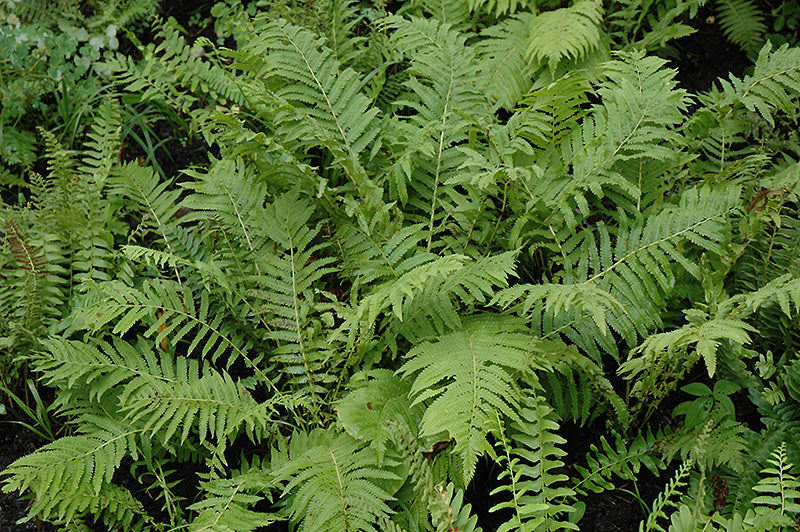
Polystichum acrostichoides
Choose Christmas Fern for a tidy native fern that keeps structure in shade; the tradeoff is it clumps politely instead of spreading fast to cover bare ground.
Buy This If
You want a clumping fern.
You prefer native shade planting.
You need winter foliage structure.
Skip This If
You need quick spreading coverage.
The site dries out often.
Deer browsing is constant.
PGNE Report Card
Category
Grade
Why
Landscape Impact
B
It gives shade beds a clean, steady look, but it is more subtle than colorful or large ferns.
Growth Rate
C+
It fills in gradually, so buy it for permanence rather than quick coverage.
Maintenance
A-
Once established in the right moisture, it needs little beyond cleanup of tired fronds.
Deer Resistance
A-
Deer rarely browse ferns, making this one of the more dependable choices where deer pressure is heavy.
Small Space Fit
A
Its clumping habit makes it easy to place near paths, foundations, and smaller shade beds.
Screening Value
F
This is a low shade accent, not a privacy or screening plant.
Our Experience
At PGNE, we'd typically recommend Christmas Fern when the customer wants a dependable native fern that stays where it is planted and does not take over the bed. It is also our first pick for holding a shaded slope: because it is evergreen, its fronds keep catching rain and holding soil through the winter months when deciduous ferns have collapsed.
Plant Facts
Botanical Name
Polystichum acrostichoides
Common Name
Christmas Fern
Mature Height
1-2 ft
Mature Width
1.5-2 ft
Hardiness Zones
3a-8a
Spacing
1.5-2 ft
Sun
Part Shade to Shade
Moisture
Moist
Growth Habit
Clumping, arching, low
Evergreen
Yes
Native
Yes (species native to New England/eastern US)
Best Used For
Erosion control on shaded slopes and banks • Upland edge of riparian buffer plantings • Native woodland shade • Evergreen winter structure
Wetland Indicator Status
FACU (Facultative Upland) — usually occurs in non-wetlands. Use it on the upland side of a buffer, not in the wet zone. Source: USDA/USACE National Wetland Plant List, Northcentral & Northeast region.
Customers Usually Ask
Does it spread?
No, it forms clumps rather than running through the bed.
Is this a wetland plant?
No. It is rated FACU, meaning it usually occurs in non-wetlands. It belongs on the upland side of a buffer planting or on a shaded slope — for the wet zone use Cinnamon, Sensitive, or American Royal Fern.
Why is it good for slopes?
It is evergreen, so unlike deciduous ferns its fronds are still there through winter and early spring rains, when bare shaded soil is most likely to wash.
Does it stay green in winter?
Yes, the foliage holds through winter, though older fronds can look worn by spring.
Why Add Ferns to Your Landscape?
Perfect for Shade Gardens: Ferns thrive in partial to full shade, making them ideal for woodland and foundation plantings.
The plants arrive very quickly and without ant hassel.
Your grow zone
—
Enter your zip to see your USDA hardiness zone.
We use your zone to recommend plants that survive your winters, and to estimate when your
order ships — we ship each plant when the weather where you live is right for it.
Choosing a selection results in a full page refresh.
Showed up on time and planted it perfectly. I indicated a light we had to illuminate it and they placed it for optimal lighting. Worked fast and left a clean worksite. First rate!
Installation Service
Jon Kenyon
Really great website, communication and installation. Very happy customer and would recommend them.
Fairview Juniper
Anonymous
They delivered three trees: a big linden, a big poplar and a little spice bush with install on the big trees. The install guys were great and professional and fast. All the trees looked good with minimal damage.
Northern Spicebush
Joseph Sico
I went up there today from Quincy MA to pick up two Blue Wichita Junipers and they were absolutely beautiful. Thank you, Chris and everybody from Pro Growers of New England!
Wichita Blue Juniper
Aileen Maconi
The plants are beautiful and all 13 were consistent in height and width. And at a fraction of the cost of other garden centers. Having the team that delivered them do the planting was one of the best values I can think of. They did a great job from start to finish and even helped me with my watering system which they didn’t have to do!